
Owbpa Disclosure Template
Owbpa Disclosure Template - It protects workers aged 40 and older. The owbpa prohibits age discrimination in the provision of fringe benefits, such as life insurance, health insurance, disability benefits, pensions, and retirement benefits. The older workers benefit protection act (owbpa) is a federal law meant to safeguard employment benefits for older employees and protect them from being taken. The owbpa, which is part of the age discrimination in employment act (“adea”), requires employers to follow a strict timeline to get a valid release of any age discrimination. The older worker benefit protection act (owbpa) is a federal law that amended the age discrimination in employment act (adea). The older workers benefit protection act (owbpa), passed in 1990, amends the age discrimination in employment act (adea) of 1967. The owbpa is a federal law that requires employers to offer older workers (those who are at least 40 years old) benefits that are equal to or, in some cases, cost the employer as much as,. The owbpa is a discrimination law designed to prevent older workers from being unfairly targeted. To amend the age discrimination in employment act of 1967 to clarify the protections given to older individuals in regard to employee benefit plans, and for other purposes. The law serves two primary functions. The owbpa, which is part of the age discrimination in employment act (“adea”), requires employers to follow a strict timeline to get a valid release of any age discrimination. The law serves two primary functions. To amend the age discrimination in employment act of 1967 to clarify the protections given to older individuals in regard to employee benefit plans, and for other purposes. It protects workers aged 40 and older. The older workers benefit protection act (owbpa) is a federal law meant to safeguard employment benefits for older employees and protect them from being taken. The owbpa is a federal law that requires employers to offer older workers (those who are at least 40 years old) benefits that are equal to or, in some cases, cost the employer as much as,. The owbpa prohibits age discrimination in the provision of fringe benefits, such as life insurance, health insurance, disability benefits, pensions, and retirement benefits. The owbpa is a discrimination law designed to prevent older workers from being unfairly targeted. The older worker benefit protection act (owbpa) is a federal law that amended the age discrimination in employment act (adea). It requires employers to follow specific guidelines when laying off workers or. The owbpa is a federal law that requires employers to offer older workers (those who are at least 40 years old) benefits that are equal to or, in some cases, cost the employer as much as,. To amend the age discrimination in employment act of 1967 to clarify the protections given to older individuals in regard to employee benefit plans,. To amend the age discrimination in employment act of 1967 to clarify the protections given to older individuals in regard to employee benefit plans, and for other purposes. The owbpa prohibits age discrimination in the provision of fringe benefits, such as life insurance, health insurance, disability benefits, pensions, and retirement benefits. It protects workers aged 40 and older. The older. It requires employers to follow specific guidelines when laying off workers or. The older worker benefit protection act (owbpa) is a federal law that amended the age discrimination in employment act (adea). The owbpa is a discrimination law designed to prevent older workers from being unfairly targeted. The older workers benefit protection act (owbpa), passed in 1990, amends the age. The owbpa is a federal law that requires employers to offer older workers (those who are at least 40 years old) benefits that are equal to or, in some cases, cost the employer as much as,. It requires employers to follow specific guidelines when laying off workers or. The owbpa is a discrimination law designed to prevent older workers from. The owbpa is a discrimination law designed to prevent older workers from being unfairly targeted. The owbpa is a federal law that requires employers to offer older workers (those who are at least 40 years old) benefits that are equal to or, in some cases, cost the employer as much as,. It requires employers to follow specific guidelines when laying. The owbpa prohibits age discrimination in the provision of fringe benefits, such as life insurance, health insurance, disability benefits, pensions, and retirement benefits. It requires employers to follow specific guidelines when laying off workers or. The older worker benefit protection act (owbpa) is a federal law that amended the age discrimination in employment act (adea). The older workers benefit protection. The law serves two primary functions. The owbpa is a discrimination law designed to prevent older workers from being unfairly targeted. The older workers benefit protection act (owbpa), passed in 1990, amends the age discrimination in employment act (adea) of 1967. To amend the age discrimination in employment act of 1967 to clarify the protections given to older individuals in. The older workers benefit protection act (owbpa) is a federal law meant to safeguard employment benefits for older employees and protect them from being taken. The owbpa is a federal law that requires employers to offer older workers (those who are at least 40 years old) benefits that are equal to or, in some cases, cost the employer as much. The owbpa, which is part of the age discrimination in employment act (“adea”), requires employers to follow a strict timeline to get a valid release of any age discrimination. The owbpa is a federal law that requires employers to offer older workers (those who are at least 40 years old) benefits that are equal to or, in some cases, cost. It protects workers aged 40 and older. The owbpa, which is part of the age discrimination in employment act (“adea”), requires employers to follow a strict timeline to get a valid release of any age discrimination. The owbpa is a federal law that requires employers to offer older workers (those who are at least 40 years old) benefits that are. The older workers benefit protection act (owbpa) is a federal law meant to safeguard employment benefits for older employees and protect them from being taken. The law serves two primary functions. It requires employers to follow specific guidelines when laying off workers or. The owbpa is a federal law that requires employers to offer older workers (those who are at least 40 years old) benefits that are equal to or, in some cases, cost the employer as much as,. To amend the age discrimination in employment act of 1967 to clarify the protections given to older individuals in regard to employee benefit plans, and for other purposes. The owbpa, which is part of the age discrimination in employment act (“adea”), requires employers to follow a strict timeline to get a valid release of any age discrimination. The owbpa is a discrimination law designed to prevent older workers from being unfairly targeted. The owbpa prohibits age discrimination in the provision of fringe benefits, such as life insurance, health insurance, disability benefits, pensions, and retirement benefits.
Owbpa Disclosure Template
Free nondisclosure agreement (NDA) template Zoho Contracts

Free Non Disclosure Agreement Template to Edit Online
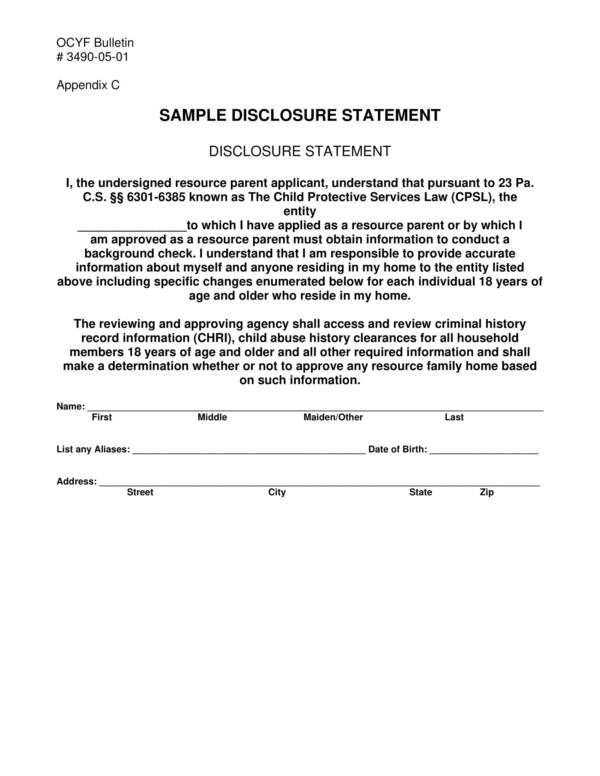
Financial Disclosure Template
Owbpa Disclosure Template prntbl.concejomunicipaldechinu.gov.co
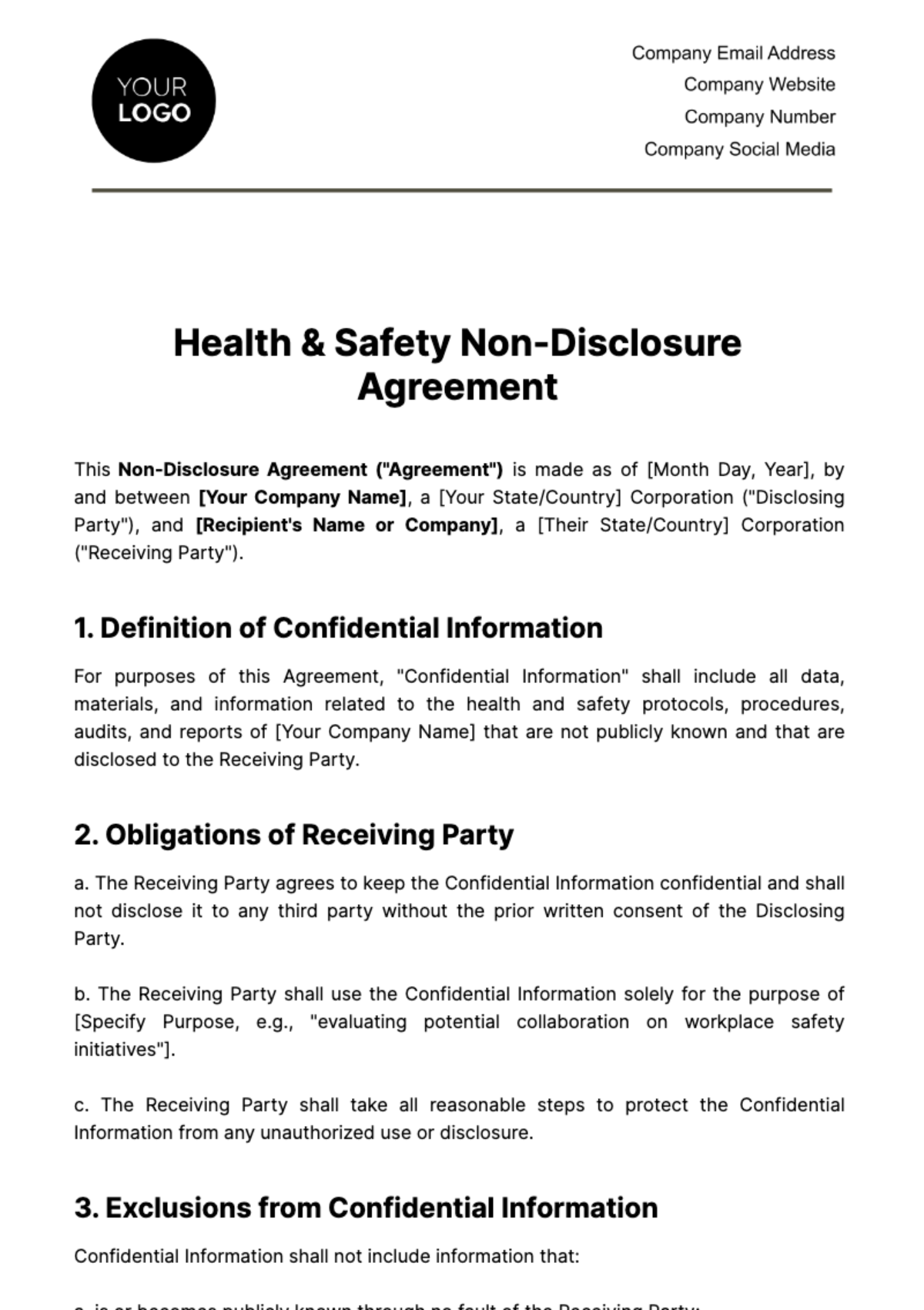
Free Health & Safety NonDisclosure Agreement Template to Edit Online
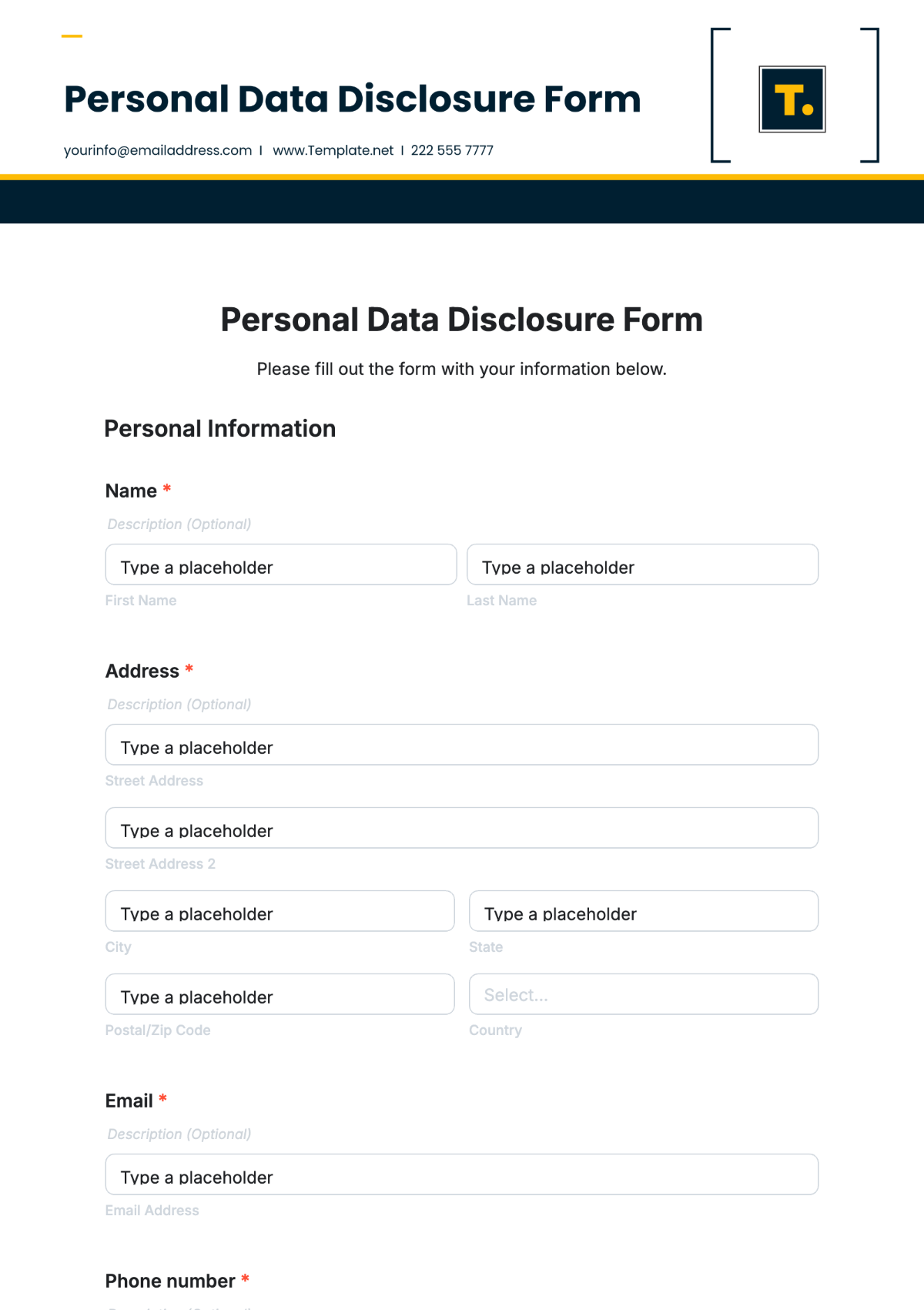
Page 3 Free Templates & Examples Edit Online & Download
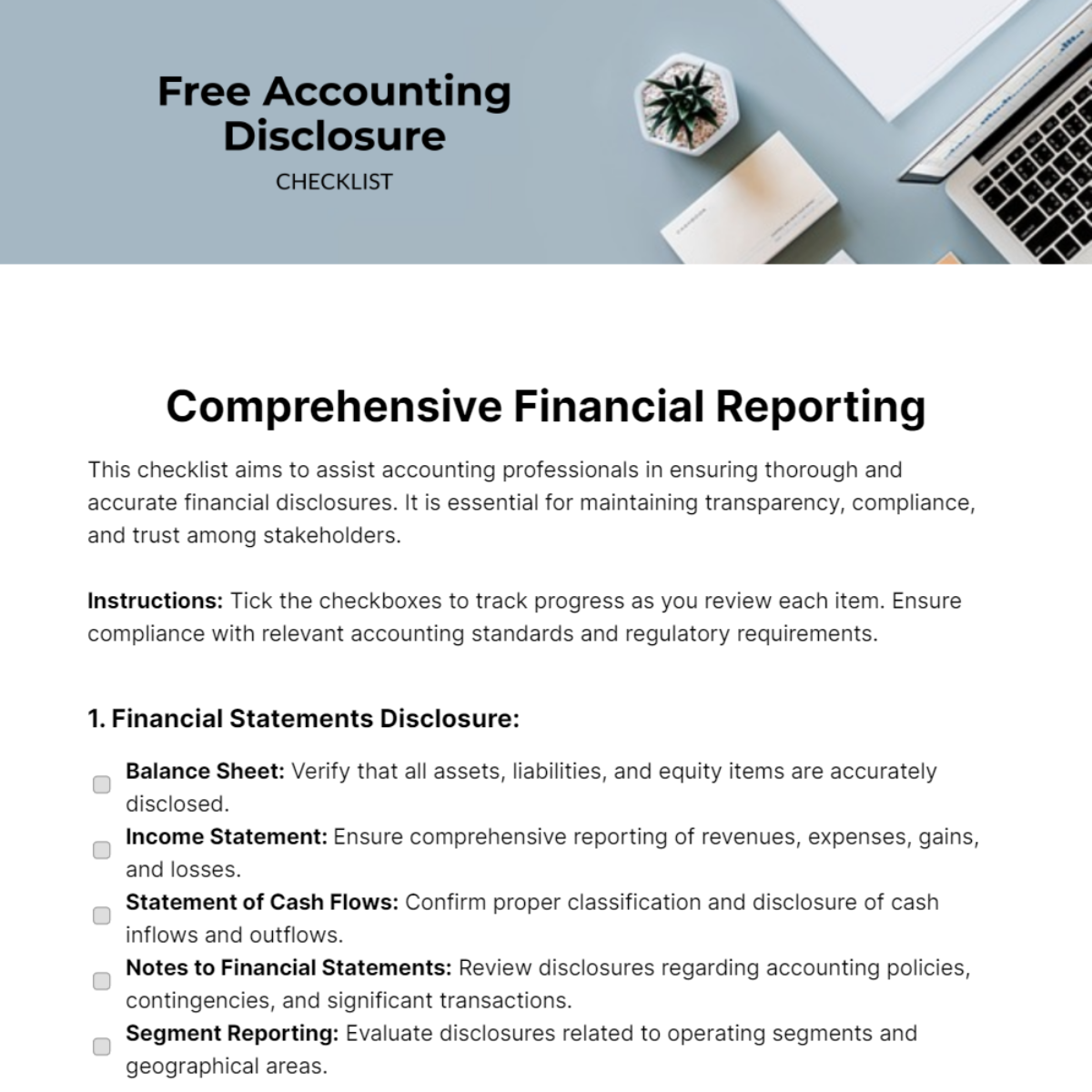
Free Accounting Checklist Templates, Editable and Printable
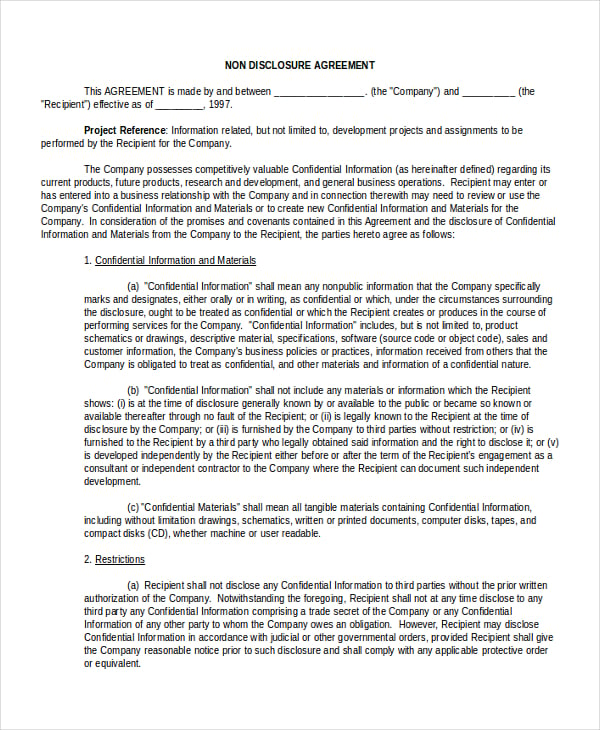
Owbpa Disclosure Template

The OWBPA Omission — Onwards HR
The Older Worker Benefit Protection Act (Owbpa) Is A Federal Law That Amended The Age Discrimination In Employment Act (Adea).
It Protects Workers Aged 40 And Older.
The Older Workers Benefit Protection Act (Owbpa), Passed In 1990, Amends The Age Discrimination In Employment Act (Adea) Of 1967.
Related Post: