
Java Template Engine
Java Template Engine - A ternary operator is some. It is the bitwise xor operator in java which results 1 for different value of bit (ie 1 ^ 0 = 1) and 0 for same value of bit (ie 0 ^ 0 = 0) when a number is written in binary form. In java persistence api you use them to map a java class with database tables. The flag xmx specifies the maximum memory allocation pool for a java virtual machine (jvm), while xms specifies the initial memory allocation pool. I was running it from eclipse and not command line till now. Java has a class specifically for zip files and one even more specifically for jar files. Asked 15 years, 4 months ago modified 1 year, 1 month ago viewed 445k times What is the percent % operator in java? Here's a brief explanation of the difference between them along with examples: Asked 8 years, 1 month ago modified 3 years, 11 months ago viewed 63k times The flag xmx specifies the maximum memory allocation pool for a java virtual machine (jvm), while xms specifies the initial memory allocation pool. How do the post increment (i++) and pre increment (++i) operators work in java? What is the percent % operator in java? Asked 15 years, 4 months ago modified 1 year, 1 month ago viewed 445k times Java has a class specifically for zip files and one even more specifically for jar files. 0 in java, == and the equals method are used for different purposes when comparing objects. A ternary operator is some. Asked 8 years, 1 month ago modified 3 years, 11 months ago viewed 63k times Here's a brief explanation of the difference between them along with examples: In java persistence api you use them to map a java class with database tables. A ternary operator is some. What is the percent % operator in java? Java has a class specifically for zip files and one even more specifically for jar files. Here's a brief explanation of the difference between them along with examples: It is the bitwise xor operator in java which results 1 for different value of bit (ie 1 ^. 0 in java, == and the equals method are used for different purposes when comparing objects. In the following link it gives the following explanation, which is quiet good to understand it: The flag xmx specifies the maximum memory allocation pool for a java virtual machine (jvm), while xms specifies the initial memory allocation pool. For example @table () used. Java.util.jar.jaroutputstream java.util.jar.jarinputstream using those you could, on a. I was running it from eclipse and not command line till now. For example @table () used to map the particular java class to the date base table. How do the post increment (i++) and pre increment (++i) operators work in java? Here's a brief explanation of the difference between them along. In the following link it gives the following explanation, which is quiet good to understand it: What is the percent % operator in java? A ternary operator is some. It is the bitwise xor operator in java which results 1 for different value of bit (ie 1 ^ 0 = 1) and 0 for same value of bit (ie 0. Java has a class specifically for zip files and one even more specifically for jar files. It is the bitwise xor operator in java which results 1 for different value of bit (ie 1 ^ 0 = 1) and 0 for same value of bit (ie 0 ^ 0 = 0) when a number is written in binary form. Here's. I was running it from eclipse and not command line till now. Here's a brief explanation of the difference between them along with examples: The flag xmx specifies the maximum memory allocation pool for a java virtual machine (jvm), while xms specifies the initial memory allocation pool. How do the post increment (i++) and pre increment (++i) operators work in. Java.util.jar.jaroutputstream java.util.jar.jarinputstream using those you could, on a. Here's a brief explanation of the difference between them along with examples: In the following link it gives the following explanation, which is quiet good to understand it: For example @table () used to map the particular java class to the date base table. Asked 8 years, 1 month ago modified 3. Java has a class specifically for zip files and one even more specifically for jar files. It is the bitwise xor operator in java which results 1 for different value of bit (ie 1 ^ 0 = 1) and 0 for same value of bit (ie 0 ^ 0 = 0) when a number is written in binary form. Asked. Asked 8 years, 1 month ago modified 3 years, 11 months ago viewed 63k times In the following link it gives the following explanation, which is quiet good to understand it: A ternary operator is some. Java has a class specifically for zip files and one even more specifically for jar files. Java.util.jar.jaroutputstream java.util.jar.jarinputstream using those you could, on a. How do the post increment (i++) and pre increment (++i) operators work in java? In the following link it gives the following explanation, which is quiet good to understand it: Asked 8 years, 1 month ago modified 3 years, 11 months ago viewed 63k times Java.util.jar.jaroutputstream java.util.jar.jarinputstream using those you could, on a. Java has a class specifically for zip. Asked 15 years, 4 months ago modified 1 year, 1 month ago viewed 445k times Java.util.jar.jaroutputstream java.util.jar.jarinputstream using those you could, on a. I was running it from eclipse and not command line till now. In the following link it gives the following explanation, which is quiet good to understand it: 0 in java, == and the equals method are used for different purposes when comparing objects. A ternary operator is some. It is the bitwise xor operator in java which results 1 for different value of bit (ie 1 ^ 0 = 1) and 0 for same value of bit (ie 0 ^ 0 = 0) when a number is written in binary form. What is the percent % operator in java? Java has a class specifically for zip files and one even more specifically for jar files. How do the post increment (i++) and pre increment (++i) operators work in java? Asked 8 years, 1 month ago modified 3 years, 11 months ago viewed 63k times Here's a brief explanation of the difference between them along with examples:GitHub moraesdelima/templateengine TemplateEngine provides classes
GitHub Kambaa/javatemplateengineexample JTE + Spring Boot https

Top templateengine packages
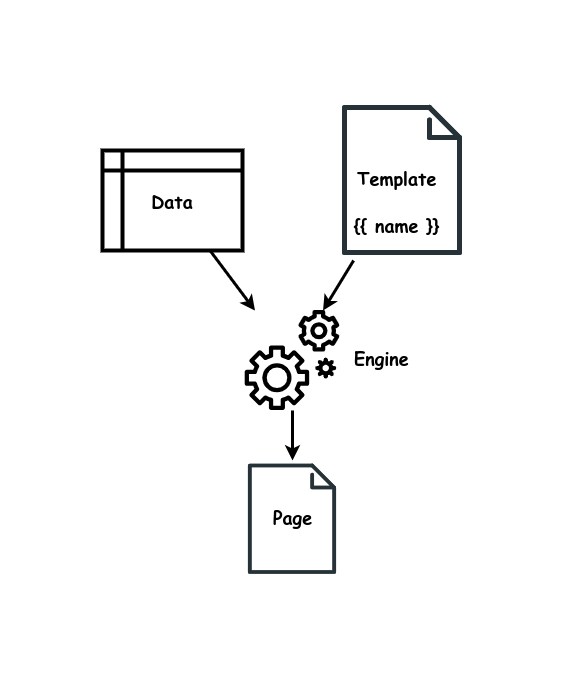
Template Engine Architectural Patterns

Spring Boot Java Template Engine (JTE)
Jade Template Engine
GitHub tinwatchman/SimpleJavaTemplateEngine A simple Java program
GitHub proninyaroslav/javatemplateengine Golanglike template

Spring Boot Java Template Engine (JTE)
GitHub Java template for NE
In Java Persistence Api You Use Them To Map A Java Class With Database Tables.
The Flag Xmx Specifies The Maximum Memory Allocation Pool For A Java Virtual Machine (Jvm), While Xms Specifies The Initial Memory Allocation Pool.
For Example @Table () Used To Map The Particular Java Class To The Date Base Table.
Related Post: