Is The Antisense Strand The Template Strand
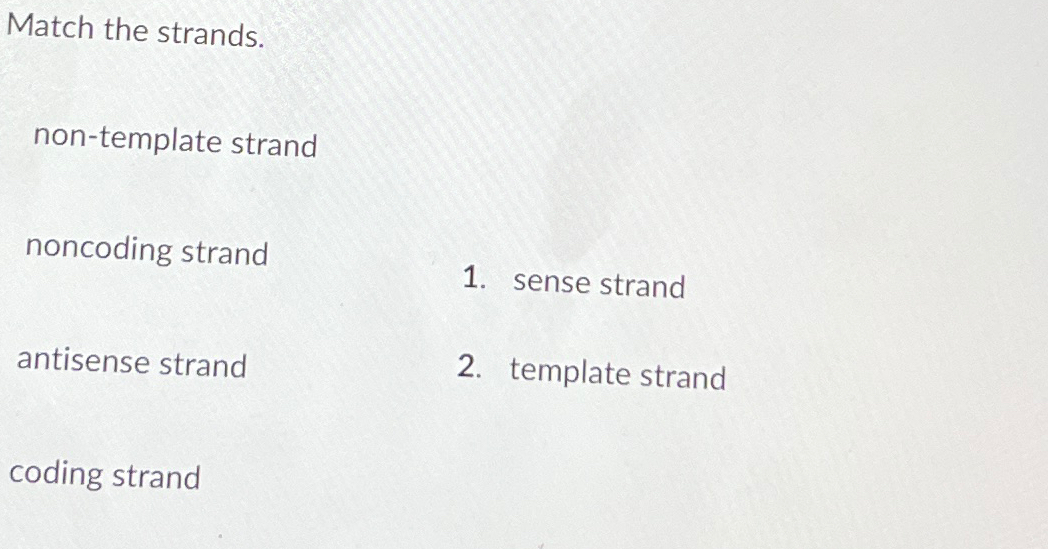
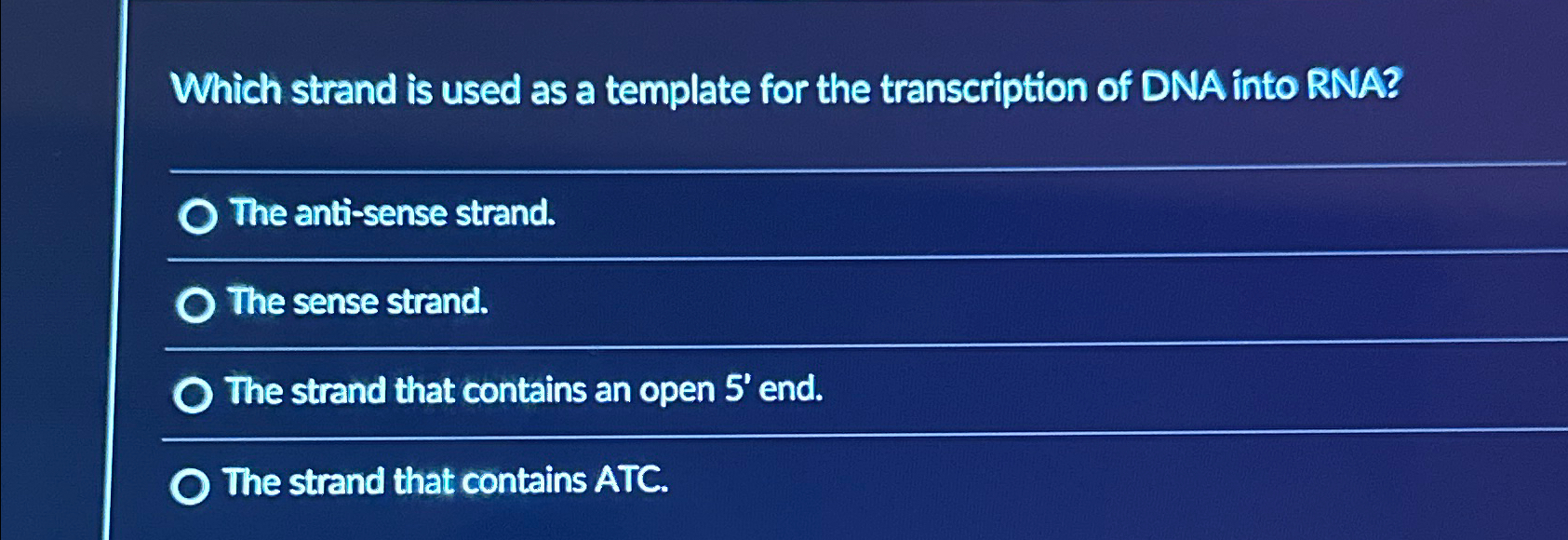
Is The Antisense Strand The Template Strand - Using synthetic antisense oligonucleotides, it targets genes at the level of mrna,. Antisense technology is a powerful tool in molecular biology and medicine that uses synthetic nucleic acid sequences to regulate gene expression. Antisense rna (asrna), also referred to as antisense transcript, [1] natural antisense transcript (nat) [2][3][4] or antisense oligonucleotide, [5] is a single stranded rna that is. The main difference between sense and antisense strand is that sense strand is incapable of being transcribed into mrna whereas antisense strand serves as the template. Explore antisense therapy's groundbreaking approach to treating genetic disorders, its mechanisms, applications, and future prospects in personalized medicine. Antisense technology is a method of gene silencing in which small pieces of rna, called antisense oligonucleotides, are used to specifically target and inhibit the expression of a. Antisense transcripts and/or the act of antisense transcription regulate gene expression and genome integrity by interfering with sense transcription and modulating histone modifications. Antisense technology is a new and promising tool for controlling gene expression in a cell. In a cell, antisense dna serves as the template for producing messenger rna (mrna), which directs the synthesis of a protein. Antisense rnas play the crucial role in. Explore antisense therapy's groundbreaking approach to treating genetic disorders, its mechanisms, applications, and future prospects in personalized medicine. Antisense technology is a method of gene silencing in which small pieces of rna, called antisense oligonucleotides, are used to specifically target and inhibit the expression of a. In a cell, antisense dna serves as the template for producing messenger rna (mrna), which directs the synthesis of a protein. Using synthetic antisense oligonucleotides, it targets genes at the level of mrna,. The main difference between sense and antisense strand is that sense strand is incapable of being transcribed into mrna whereas antisense strand serves as the template. Antisense rnas play the crucial role in. Antisense technology is a new and promising tool for controlling gene expression in a cell. Antisense rna (asrna), also referred to as antisense transcript, [1] natural antisense transcript (nat) [2][3][4] or antisense oligonucleotide, [5] is a single stranded rna that is. Antisense transcripts and/or the act of antisense transcription regulate gene expression and genome integrity by interfering with sense transcription and modulating histone modifications. Antisense technology is a powerful tool in molecular biology and medicine that uses synthetic nucleic acid sequences to regulate gene expression. Antisense transcripts and/or the act of antisense transcription regulate gene expression and genome integrity by interfering with sense transcription and modulating histone modifications. Antisense technology is a method of gene silencing in which small pieces of rna, called antisense oligonucleotides, are used to specifically target and inhibit the expression of a. The main difference between sense and antisense strand is. Antisense technology is a method of gene silencing in which small pieces of rna, called antisense oligonucleotides, are used to specifically target and inhibit the expression of a. Antisense transcripts and/or the act of antisense transcription regulate gene expression and genome integrity by interfering with sense transcription and modulating histone modifications. Using synthetic antisense oligonucleotides, it targets genes at the. Antisense rna (asrna), also referred to as antisense transcript, [1] natural antisense transcript (nat) [2][3][4] or antisense oligonucleotide, [5] is a single stranded rna that is. Antisense rnas play the crucial role in. Antisense technology is a method of gene silencing in which small pieces of rna, called antisense oligonucleotides, are used to specifically target and inhibit the expression of. Explore antisense therapy's groundbreaking approach to treating genetic disorders, its mechanisms, applications, and future prospects in personalized medicine. Antisense rna (asrna), also referred to as antisense transcript, [1] natural antisense transcript (nat) [2][3][4] or antisense oligonucleotide, [5] is a single stranded rna that is. Antisense transcripts and/or the act of antisense transcription regulate gene expression and genome integrity by interfering. Explore antisense therapy's groundbreaking approach to treating genetic disorders, its mechanisms, applications, and future prospects in personalized medicine. Antisense technology is a method of gene silencing in which small pieces of rna, called antisense oligonucleotides, are used to specifically target and inhibit the expression of a. Antisense technology is a powerful tool in molecular biology and medicine that uses synthetic. The main difference between sense and antisense strand is that sense strand is incapable of being transcribed into mrna whereas antisense strand serves as the template. Antisense technology is a powerful tool in molecular biology and medicine that uses synthetic nucleic acid sequences to regulate gene expression. Antisense transcripts and/or the act of antisense transcription regulate gene expression and genome. Antisense rna (asrna), also referred to as antisense transcript, [1] natural antisense transcript (nat) [2][3][4] or antisense oligonucleotide, [5] is a single stranded rna that is. Antisense technology is a powerful tool in molecular biology and medicine that uses synthetic nucleic acid sequences to regulate gene expression. Explore antisense therapy's groundbreaking approach to treating genetic disorders, its mechanisms, applications, and. The main difference between sense and antisense strand is that sense strand is incapable of being transcribed into mrna whereas antisense strand serves as the template. Explore antisense therapy's groundbreaking approach to treating genetic disorders, its mechanisms, applications, and future prospects in personalized medicine. Antisense technology is a method of gene silencing in which small pieces of rna, called antisense. Antisense technology is a method of gene silencing in which small pieces of rna, called antisense oligonucleotides, are used to specifically target and inhibit the expression of a. In a cell, antisense dna serves as the template for producing messenger rna (mrna), which directs the synthesis of a protein. The main difference between sense and antisense strand is that sense. Antisense technology is a new and promising tool for controlling gene expression in a cell. The main difference between sense and antisense strand is that sense strand is incapable of being transcribed into mrna whereas antisense strand serves as the template. Antisense rna (asrna), also referred to as antisense transcript, [1] natural antisense transcript (nat) [2][3][4] or antisense oligonucleotide, [5]. Antisense rna (asrna), also referred to as antisense transcript, [1] natural antisense transcript (nat) [2][3][4] or antisense oligonucleotide, [5] is a single stranded rna that is. In a cell, antisense dna serves as the template for producing messenger rna (mrna), which directs the synthesis of a protein. Antisense technology is a method of gene silencing in which small pieces of rna, called antisense oligonucleotides, are used to specifically target and inhibit the expression of a. The main difference between sense and antisense strand is that sense strand is incapable of being transcribed into mrna whereas antisense strand serves as the template. Using synthetic antisense oligonucleotides, it targets genes at the level of mrna,. Antisense transcripts and/or the act of antisense transcription regulate gene expression and genome integrity by interfering with sense transcription and modulating histone modifications. Antisense technology is a powerful tool in molecular biology and medicine that uses synthetic nucleic acid sequences to regulate gene expression. Explore antisense therapy's groundbreaking approach to treating genetic disorders, its mechanisms, applications, and future prospects in personalized medicine.Solved Match the strands.nontemplate strandnoncoding
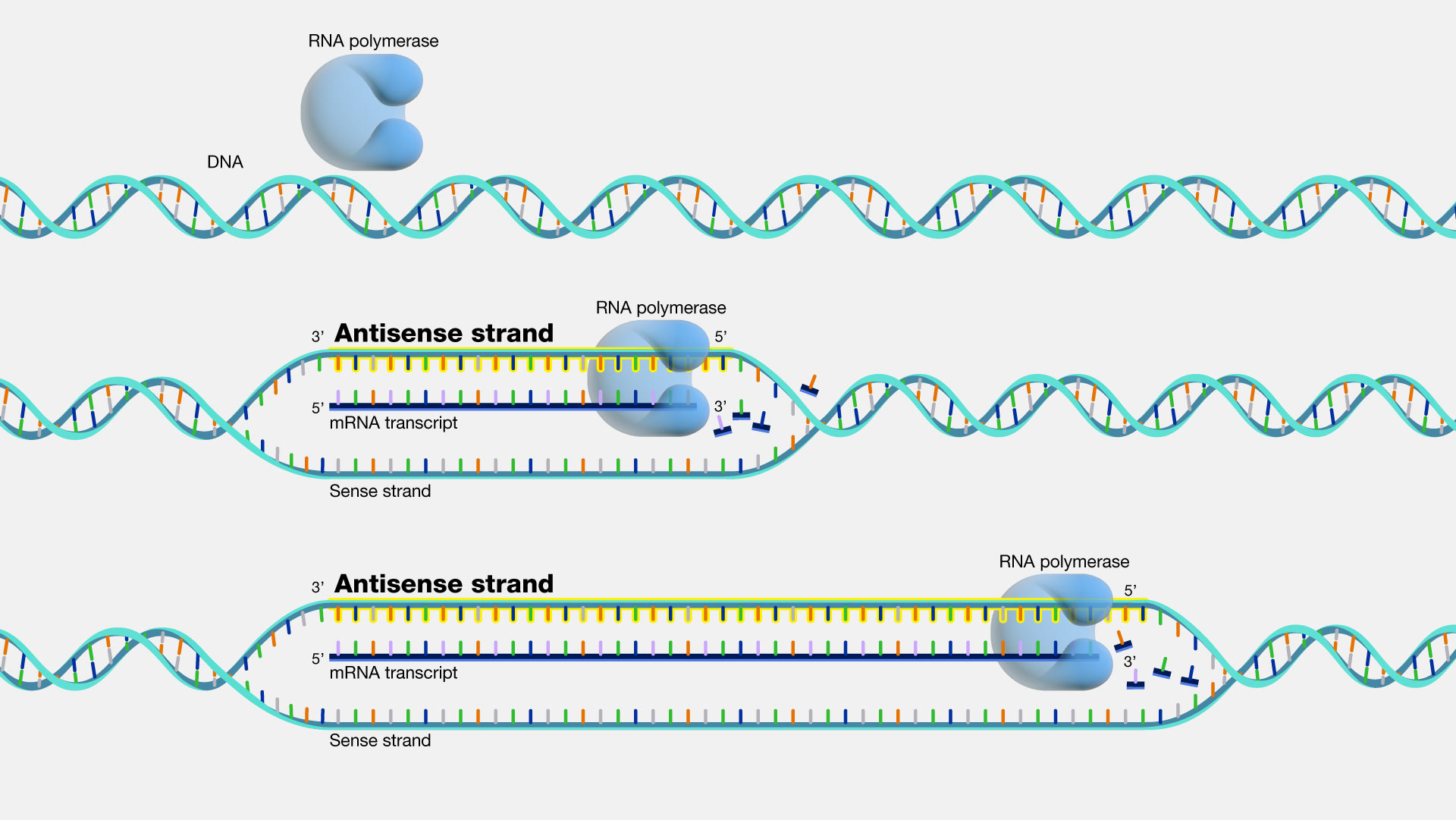
Template Strand Of Dna Non Template Strand
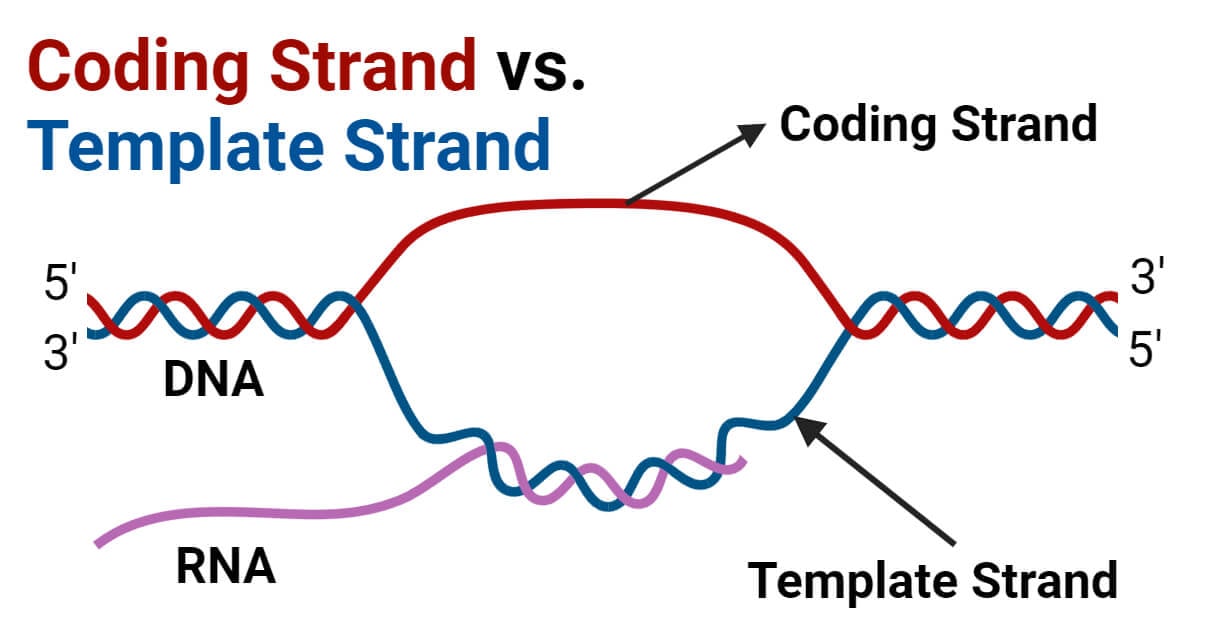
Coding Strand vs. Template Strand 6 Key Differences

Coding Strand Template Strand

Coding Strand Vs Template Strand Polarity
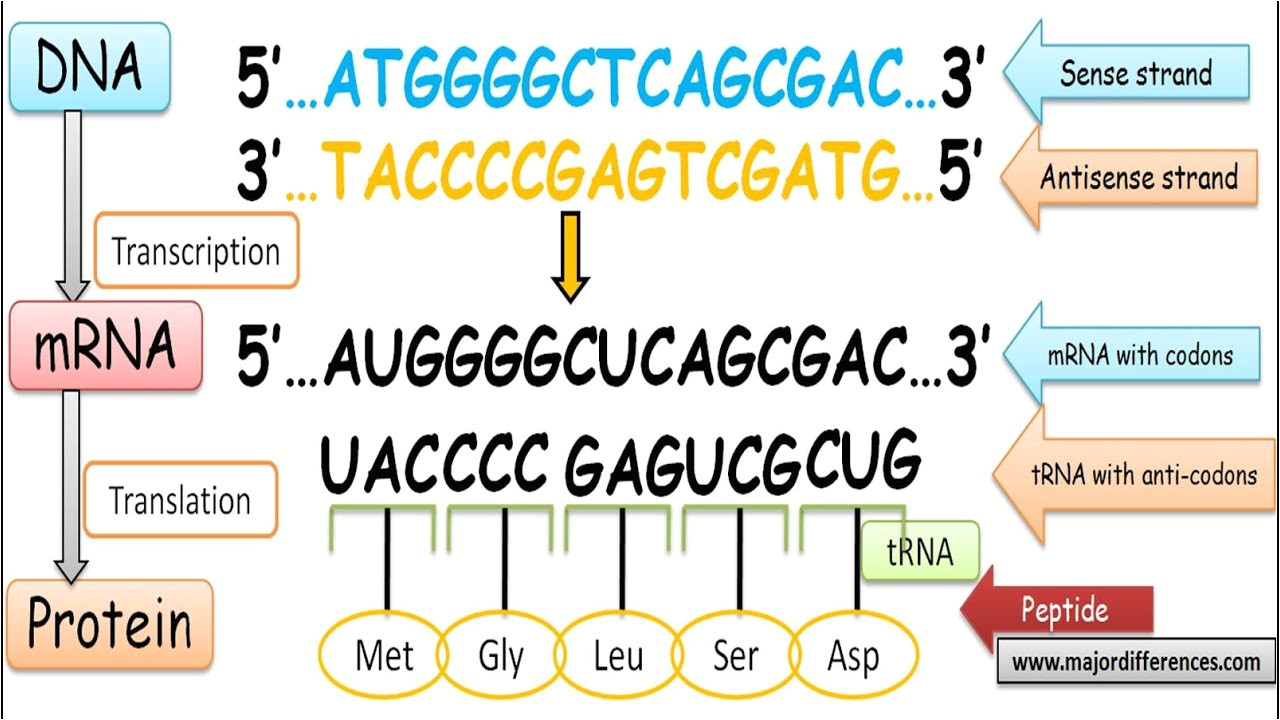
Template Strand Coding Strand
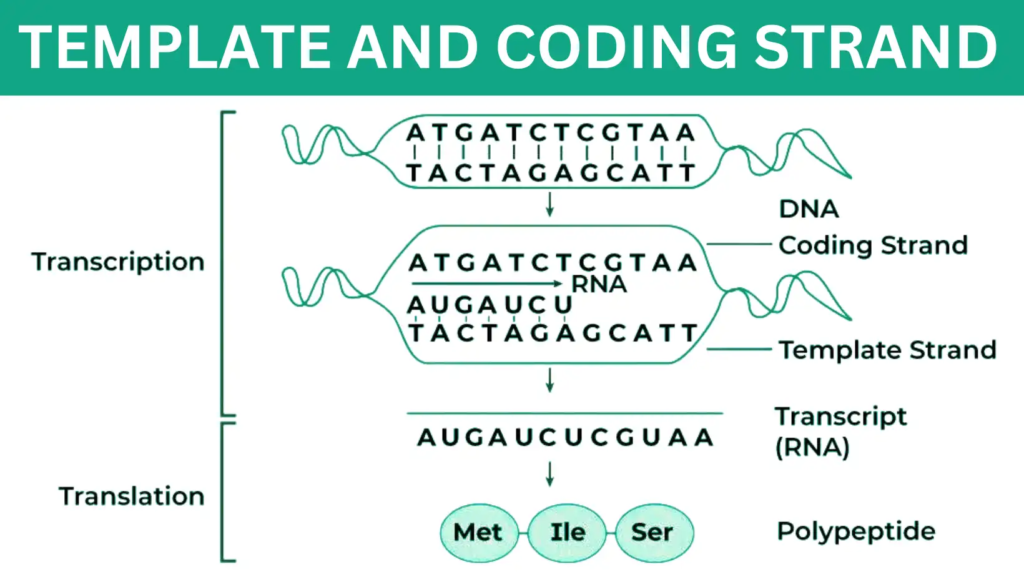
Difference Between Template and Coding Strand
Solved Which strand is used as a template for the

Coding Strand Template Strand

Coding Strand Template Strand
Antisense Technology Is A New And Promising Tool For Controlling Gene Expression In A Cell.
Antisense Rnas Play The Crucial Role In.
Related Post: